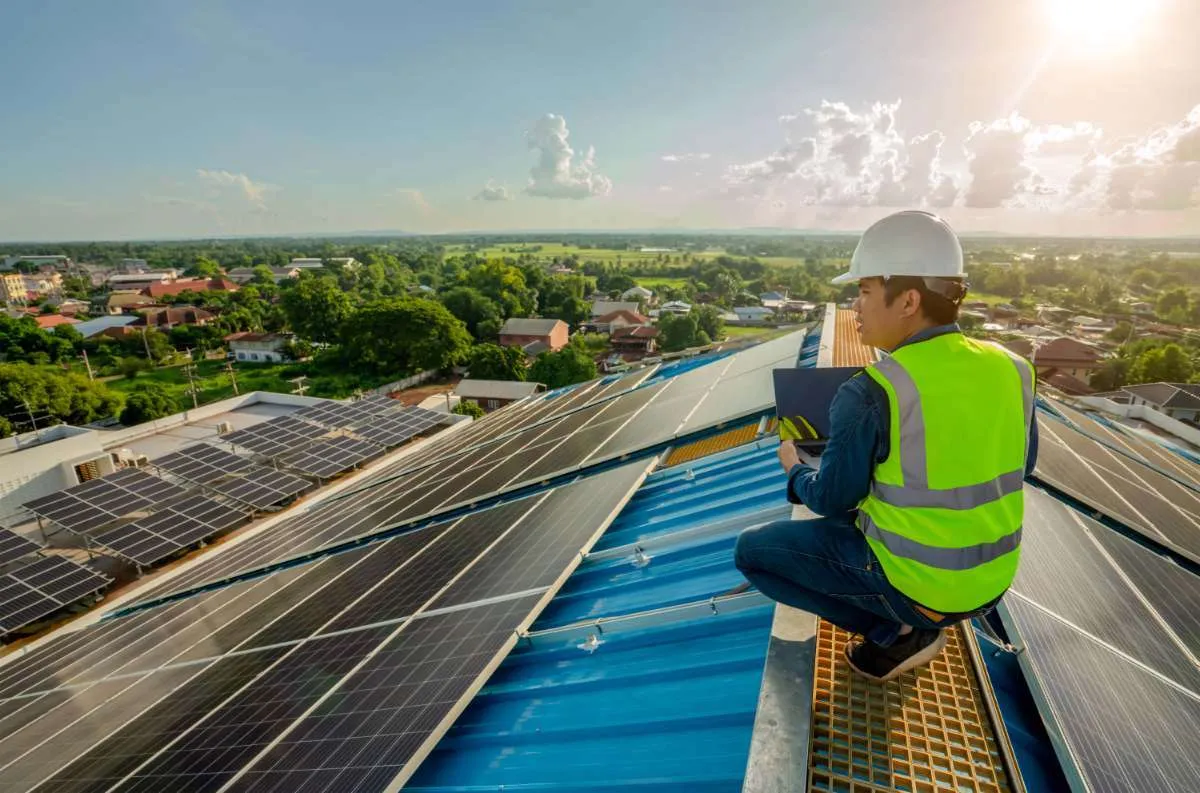
Working at height remains one of the leading causes of workplace injuries and fatalities in the UK. According to the Health and Safety Executive (HSE), falls from height accounted for 36% of fatal injuries in 2023/24, highlighting the critical need for robust safety measures. Businesses that fail to implement roof safety systems not only put their workers at risk but also face serious legal consequences, including fines and prosecution.
By investing in compliant roof safety systems, businesses can protect their workforce, prevent costly accidents, and ensure they meet the legal requirements set out in UK safety regulations. In this guide, we’ll explore the key UK regulations governing roof safety, the essential systems for compliance, and how regular inspections and maintenance can help businesses stay on top of their legal obligations.
Understanding UK Roof Safety Regulations
The UK has strict safety laws to prevent falls from height. Employers are legally responsible for ensuring that workers can access roofs safely, with the right equipment in place. The key regulations include:
Requires employers to eliminate or minimise risks associated with working on roofs.
Stipulates that collective protection (guardrails, walkways, etc.) must be prioritised over personal protective systems.
2. BS EN 795 – Standards for Fall Protection Anchor Devices
Covers the design, testing, and performance of anchor devices used in personal fall protection systems.
Ensures that anchor points meet load-bearing requirements to prevent failure during a fall.
3. BS 7883:2019 – Testing & Certification of Anchorage Systems
Details how fall protection anchor devices should be installed, maintained, and inspected.
Employers must ensure annual inspections of all anchor systems.
4. Health and Safety at Work Act 1974
Non-compliance can result in substantial fines or imprisonment for employers.
The overarching legislation requiring businesses to ensure the health, safety, and welfare of employees and contractors.
Key Roof Safety Systems for Compliance
To meet UK regulations, businesses must implement appropriate roof safety solutions. These can be divided into three main categories:
A. Collective Fall Protection (Protecting Multiple Workers)
1. Guardrails & Edge Protection
Provide a passive, non-intrusive safety solution.
No need for workers to wear personal protective equipment (PPE).
Fully compliant with Work at Height Regulations.
2. Rooftop Walkways & Fragile Roof Protection
Prevents slips and falls on uneven or fragile surfaces.
Essential for buildings with skylights, old roofing materials, or industrial facilities.
B. Personal Fall Protection Systems (Protecting Individual Workers)
1. Lifeline Systems (Horizontal & Vertical)
Enable safe movement along rooftops while remaining securely attached.
Essential when guardrails are not feasible.
Must comply with BS EN 795 standards.
2. Roof Anchors & Eyebolts
Provide a secure attachment point for personal fall protection equipment (harnesses and lanyards).
Must be inspected at least once a year to ensure compliance.
C. Safe Access Solutions
1. Step-Overs & Access Platforms
Help workers safely navigate obstacles, pipework, and changes in level.
Prevent falls caused by unstable or makeshift access routes.
2. Ladders & Self-Closing Safety Gates
Prevent unauthorised access to hazardous areas.
Self-closing gates ensure automatic protection when entering or exiting a work zone.
The Importance of Regular Inspections & Recertification
Even the best roof safety systems must be regularly inspected, tested, and recertified to remain compliant with UK laws. Failure to do so can result in equipment failure, legal consequences, and serious accidents.
1. Why Roof Safety Inspections Matter
Ensures equipment remains safe and functional.
Identifies wear and tear, corrosion, or damage.
Prevents non-compliance fines and legal action.
2. How Often Should Roof Safety Systems Be Inspected?
Lifelines & Anchors – Inspection at least every 12 months (or every 6 months for frequently used systems).
PPE (Harnesses, Lanyards, Connectors) – Must be checked before every use and formally inspected every 6 months.
3. Legal Consequences of Non-Compliance
Fines: The HSE has issued penalties exceeding £500,000 for failure to provide adequate roof safety measures.
Prosecution: Employers can face criminal charges under the Health and Safety at Work Act.
Business Disruptions: Non-compliance can lead to site shutdowns until safety measures are addressed.
How Safesite Helps Businesses Stay Compliant
Ensuring compliance with UK roof safety regulations can be complex, but Safesite provides expert solutions to keep your business safe, legal, and protected. Our services include:
1. Expert Assessment & Installation
Our team evaluates your site and recommends the best compliant roof safety systems.
We install certified safety solutions tailored to your industry and building type.
2. Inspection, Testing & Recertification
We conduct thorough annual inspections to ensure continued compliance.
Our engineers test and certify guardrails, lifelines, anchor systems, PPE, and more.
3. Bespoke Safety Solutions
No two workplaces are the same – we offer customised safety plans for industrial, commercial, and public buildings.
We help businesses of all sizes achieve full compliance with UK legislation.
Conclusion
Compliance with UK roof safety regulations is not just about avoiding fines – it’s about protecting lives. The right roof safety systems, combined with regular inspections and maintenance, ensure that businesses remain legally compliant while keeping their workforce safe.
Investing in certified roof safety solutions is a long-term strategy for reducing risks, enhancing productivity, and maintaining a strong safety culture.
If your business needs expert guidance on roof safety compliance, contact Safesite today. Our team is ready to help you assess, install, and maintain fully compliant roof safety systems.
Contact us today to ensure your workplace meets the highest safety standards!